Understanding Olive Oil: Grades, Health Benefits & Industry Uses
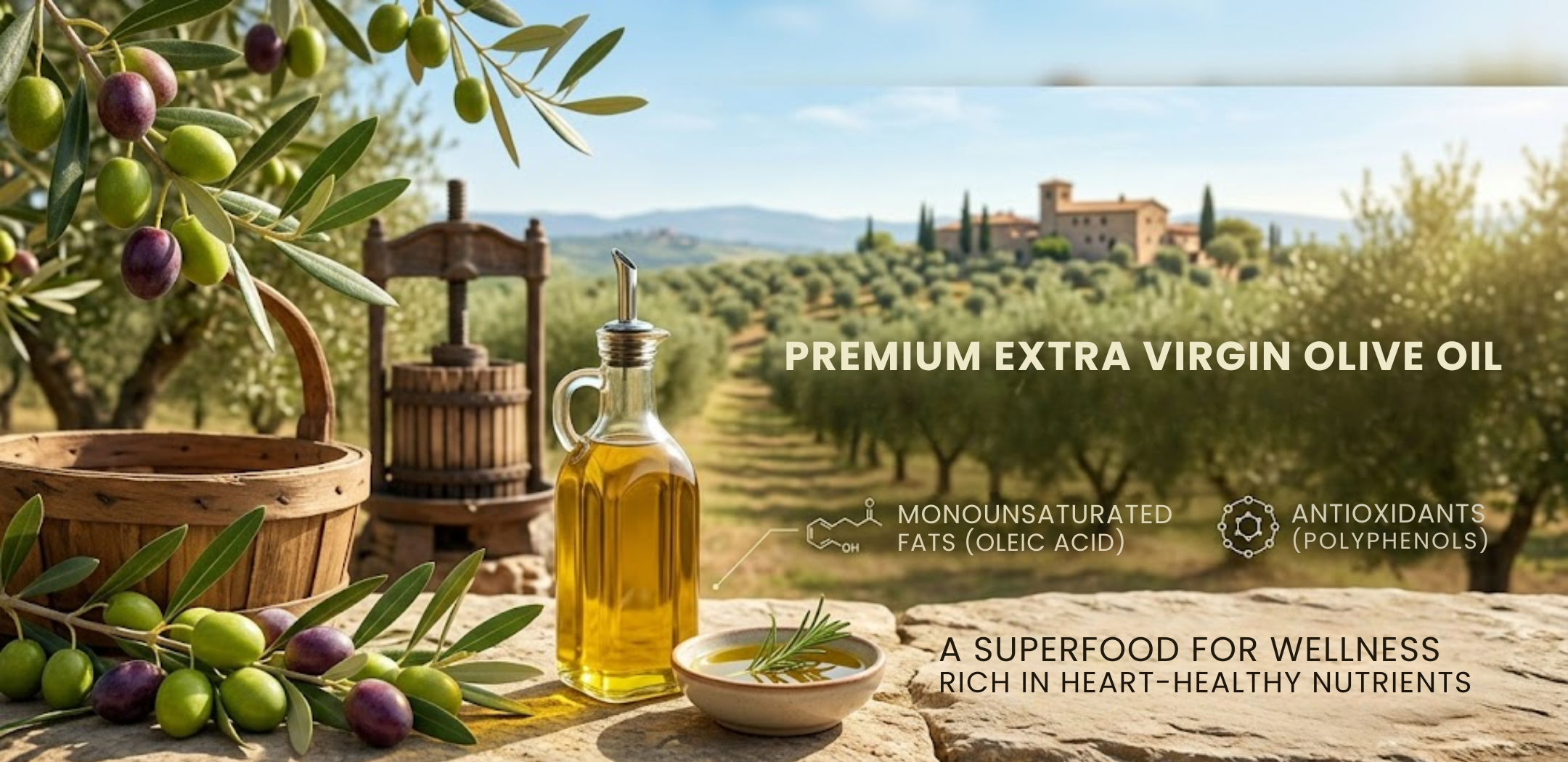
Olive oil is one of the most celebrated natural oils in the world — valued not only for its culinary versatility but also for its nutritional, cosmetic, and industrial applications. Extracted from olives (Olea europaea), this lipid-rich oil is a cornerstone of Mediterranean diets and modern wellness formulations.
For ingredient manufacturers and nutraceutical innovators like Kavita Biotech, olive oil represents a scientifically relevant botanical lipid with applications across food systems, cosmetics, aromatics, and functional formulations.
What is Olive Oil?
Olive oil is a vegetable oil obtained by pressing whole olives and separating the oil fraction from the fruit pulp and water.
Its nutritional profile is dominated by monounsaturated fatty acids (especially oleic acid) and bioactive compounds such as polyphenols, making it a desirable ingredient in wellness-focused products.
Major Types of Olive Oil
Understanding olive oil grades is essential for selecting the right oil for industrial or culinary applications.
- Extra Virgin Olive Oil (EVOO)
Extra virgin olive oil is the highest quality and least processed form. It is obtained through mechanical cold pressing without chemical refining.
Key Characteristics:
- Rich in natural antioxidants and polyphenols
- Strong fruity aroma and slightly peppery taste
- Lower acidity and superior sensory quality
- Ideal for dressings, finishing oils, and premium formulations
Because of minimal processing, EVOO retains more vitamins and bioactive compounds compared to refined oils.
- Refined or Pure Olive Oil
This oil is produced by refining lower-grade virgin oils to remove defects while preserving the fatty acid structure.
Key Characteristics:
- Milder taste and lighter aroma
- Higher smoke point than EVOO
- Suitable for sautéing, roasting, and general cooking
Used in large-scale food processing
- Olive Pomace Oil
Olive pomace oil is extracted from the remaining pulp, skin, and pits after the first pressing, then refined and blended with some virgin oil.
Key Characteristics:
- Neutral flavor and high smoke point
- Economical and suitable for deep frying and industrial cooking
- Contains healthy monounsaturated fats, though fewer antioxidants than EVOO
- Practical for bulk culinary use and bakery or snack production
Nutritional & Functional Benefits of Olive Oil
❤️ Cardiovascular Support
Olive oil’s high monounsaturated fat content and phenolic compounds have been associated with improved heart health and reduced cardiovascular risk.
🔥 Anti-Inflammatory Properties
Polyphenols present in extra virgin olive oil help combat oxidative stress and inflammation, contributing to overall metabolic wellness.
🧠 Brain & Cognitive Wellness
Regular consumption of olive oil has been linked to improved neurological protection and long-term cognitive health strategies in nutritional research.
🧴 Cosmetic & Skin Benefits
Olive oil is widely used in skincare and haircare formulations due to its emollient properties and ability to support barrier repair and moisturisation.
Industrial & Commercial Applications
For ingredient suppliers and B2B manufacturers, olive oil provides multi-sector functionality.
Food & Culinary Applications
- Salad dressings and marinades
- Frying oils and fat blends
- Bakery and snack formulations
- Functional food lipid systems
Nutraceutical & Wellness Applications
- Preventive nutrition supplements
- Cardiometabolic health formulations
- Beauty-from-within nutraceuticals
Cosmetic & Personal Care Applications
- Moisturising creams and serums
- Hair oils and scalp treatments
- Soap and natural fragrance bases
Technical & Specialty Uses
- Aromatherapy carrier oils
- Industrial lubricants and emulsifiers
- Bioactive lipid research
Frequently Asked Question (FAQ):
Extra virgin olive oil is considered the healthiest due to its higher antioxidant and polyphenol content resulting from minimal processing.
Yes. Olive pomace oil is widely used for frying and high-heat cooking due to its neutral taste and higher smoke point.
Yes. Olive oil acts as a natural emollient and is commonly used in creams, massage oils, soaps, and haircare products.
Some antioxidants may reduce at high temperatures, but the oil still retains beneficial fatty acids and remains nutritionally valuable.
Its high monounsaturated fat content helps improve cholesterol balance and supports cardiovascular wellness.
Pomace oil is refined and has fewer antioxidants, while extra virgin oil is cold-pressed and retains more natural nutrients.
Yes. Olive oil is increasingly used in functional foods, lipid emulsions, and wellness nutrition products.
Conclusion
Olive oil continues to be a strategic botanical lipid across food, wellness, and cosmetic industries. From premium extra virgin oils rich in antioxidants to cost-effective pomace oils suitable for industrial cooking, each grade offers specific functional advantages.
For companies like Kavita Biotech, olive oil represents a versatile ingredient platform enabling innovation in clean-label nutrition, natural cosmetics, and advanced lipid formulations.