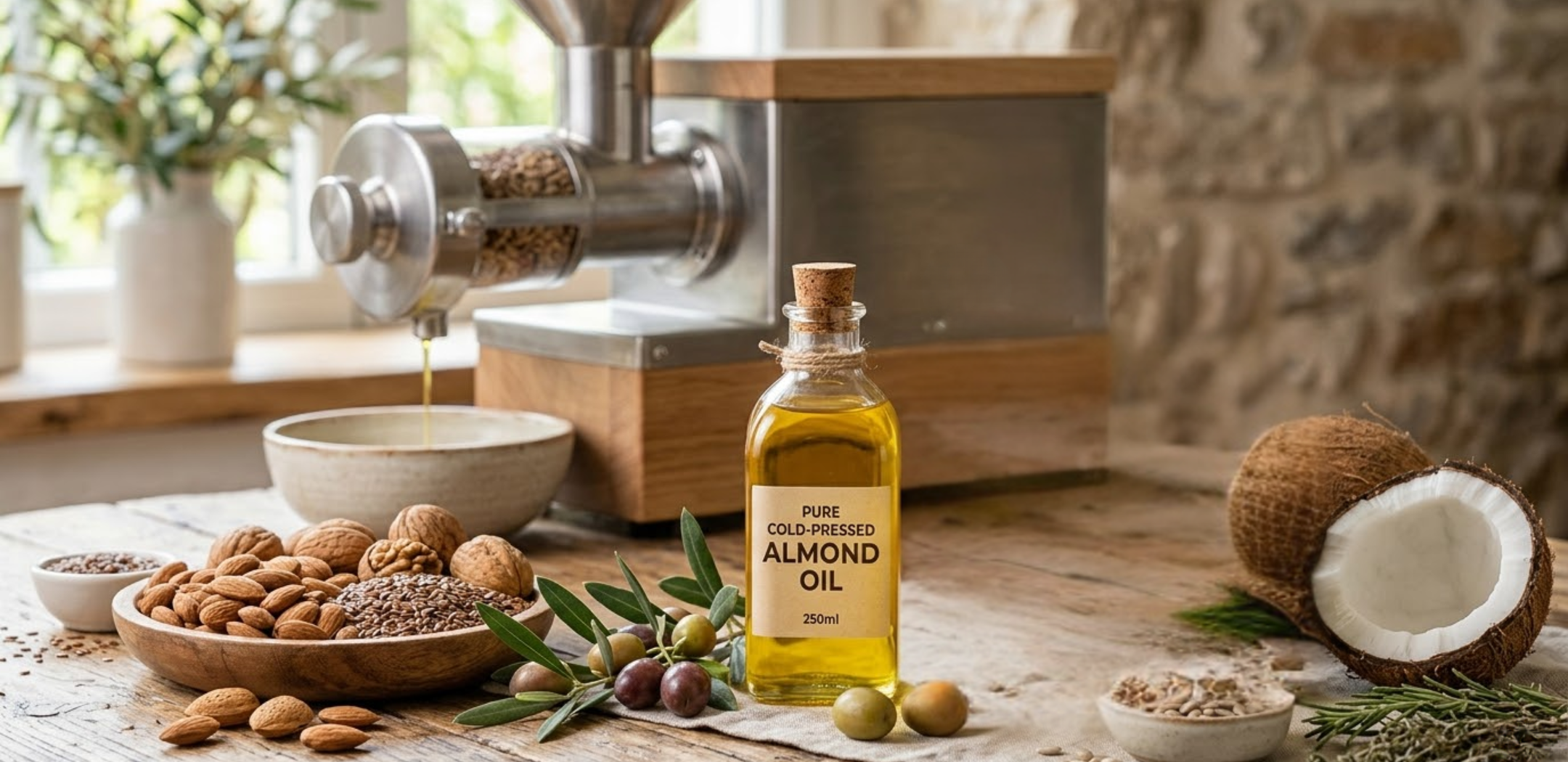
Cold-Pressed Oils
Nature’s Purest Extraction for Health & Wellness
In today’s clean-label nutrition and wellness landscape, natural cold pressed oils for skincare & wellness are gaining strong attention for their natural processing, nutrient richness, and functional health benefits. Whether used in daily cooking, nutraceutical formulations, or personal care products, these oils represent a return to traditional extraction techniques supported by modern scientific understanding.
As demand grows globally, every leading cold pressed oils supplier in India is focusing on delivering high-quality, minimally processed oils that meet both consumer and industrial requirements.
What Are Cold-Pressed Oils?
Cold-pressed oils are extracted from seeds, nuts, or fruits using mechanical pressure without the use of high heat or chemical solvents. This gentle extraction method helps retain the oil’s natural flavor, aroma, and nutritional profile.
Typically, the extraction temperature remains below ~49°C (120°F), ensuring minimal degradation of sensitive bioactive compounds.
Because of this, natural cold pressed oils for skincare & wellness are often positioned as premium, minimally processed specialty oils in both food and wellness industries.
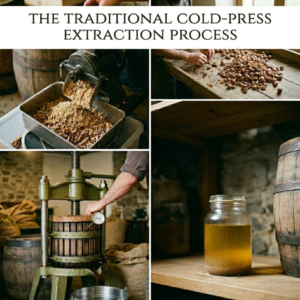
How Cold-Press Extraction Works
The cold-press process involves several carefully controlled steps:
- Cleaning and grading of seeds or nuts
- Crushing or grinding of raw material
- Mechanical pressing under controlled low temperature
- Natural filtration or settling
- Storage in light-protected containers
This process eliminates refining steps such as bleaching, deodorization, or solvent extraction — preserving natural phytochemicals and nutrients, a key focus for every cold pressed oils supplier in India.
Nutritional Advantages of Cold-Pressed Oils
One of the most important benefits of cold-pressed oils is nutrient preservation.
Key Nutritional Features
- Rich in essential fatty acids (Omega-3 & Omega-6)
- Contains natural antioxidants like tocopherols and polyphenols
- Provides fat-soluble vitamins such as Vitamin E
- Retains sterols, carotenoids, and phenolic compounds
Minimal processing helps maintain these bioactive molecules, which may support cardiovascular health, immune resilience, and metabolic wellness—making natural cold pressed oils for skincare & wellness highly valuable across industries.
Health Benefits of Cold-Pressed Oils
- Supports Heart Health
Cold-pressed oils are rich in monounsaturated and polyunsaturated fats that help manage cholesterol and reduce inflammation.
- Provides Antioxidant Protection
Natural antioxidants help combat oxidative stress — a major contributor to ageing and chronic diseases.
- Enhances Digestive Comfort
Due to their unrefined nature, cold-pressed oils are often easier to digest and metabolize compared to chemically refined oils.
- Supports Skin & Hair Health
Bioactive lipids and Vitamin E help maintain hydration, elasticity, and cellular protection—one of the key reasons natural cold pressed oils for skincare & wellness are widely used in cosmetic formulations.
Culinary & Functional Applications
Cold-pressed oils are widely used across:
- Salad dressings and finishing oils
- Light sautéing and traditional cooking
- Nutraceutical formulations
- Functional foods and wellness blends
- Premium skincare and haircare products
Their rich natural flavour and aroma enhance culinary quality while contributing functional nutrition, making them a preferred choice offered by top cold pressed oils suppliers in India.
Sustainability & Clean-Label Advantage
Cold-press extraction is considered more energy-efficient and environmentally friendly, since it avoids chemical solvents and intensive refining processes.
This aligns strongly with global trends toward:
- Clean-label ingredients
- Traceable sourcing
- Sustainable food systems
- Premium wellness positioning
Choosing Quality Cold-Pressed Oils
When selecting cold-pressed oils, look for:
- Dark glass packaging
- Fresh aroma and natural color
- Minimal sediment (indicates natural filtration)
- Clear labeling: cold-pressed / virgin / unrefined
- Trusted manufacturers with quality certifications
Proper storage in cool, dark conditions helps maintain oxidative stability—an important factor considered by every reliable cold pressed oils supplier in India.
Frequently Asked Question (FAQ):
Yes, they generally retain more antioxidants, essential fatty acids, and vitamins because they are not exposed to high heat or chemical refining.
They are better suited for low to medium heat cooking. High temperatures may degrade sensitive nutrients and flavour compounds.
Lower extraction yield, small-batch production, and minimal processing contribute to higher costs compared to refined oils.
Yes. Since they are unrefined and rich in unsaturated fats, they are more prone to oxidation and should be consumed fresh.
Popular examples include cold-pressed olive oil, coconut oil, sesame oil, mustard oil, flaxseed oil, and sunflower oil.
Store them in airtight, dark bottles away from heat and sunlight to preserve quality.
Yes. Their natural lipid profile and antioxidants make them beneficial for moisturization and barrier support.
Regular use in balanced diets may support cardiovascular, metabolic, and immune health due to antioxidant and healthy fat content.
Conclusion
Cold-pressed oils represent a powerful intersection of traditional extraction wisdom and modern nutritional science. Their purity, functional benefits, and sustainability credentials make them increasingly important ingredients in food, nutraceutical, and cosmetic industries — especially for brands focused on clean-label innovation and premium wellness positioning.