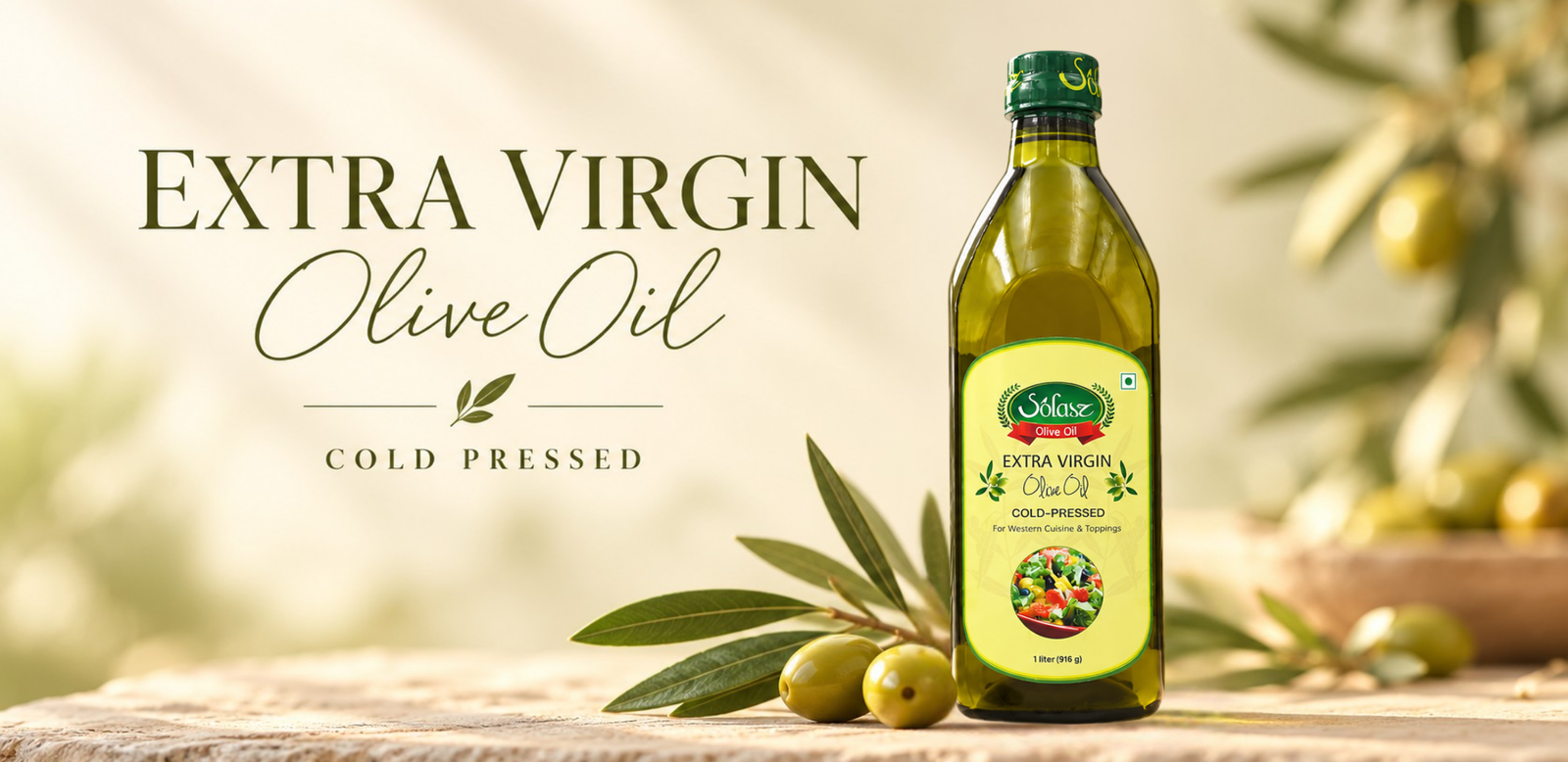
Cold-Pressed Olive Oil: What Does It Mean?
The term “cold pressed” is frequently used when discussing olive oil and other plant-based oils. It describes how the oil is extracted and is often associated with mechanical processing under controlled temperature conditions.
For businesses and consumers, understanding this terminology can help when comparing olive oil products, evaluating quality, and selecting a suitable supplier.
What Does Cold Pressed Mean?
Traditionally, olive oil was produced by crushing olives and using mechanical presses to extract the oil.
Today, modern olive oil processing often uses advanced mechanical extraction systems that separate oil from olive paste while maintaining controlled processing conditions.
The term cold pressed is associated with limiting heat during extraction. However, modern production may use cold extraction methods rather than traditional pressing.
Understanding the extraction method is important because not every olive oil labelled as cold pressed necessarily belongs to the same quality category.
Why Does Processing Matter?
The way olive oil is extracted can influence its taste, aroma, composition, and overall quality.
Factors such as olive quality, processing temperature, extraction methods, and storage conditions can affect the characteristics of the final oil.
For Extra Virgin Olive Oil (EVOO), production methods are particularly important because this category must meet defined chemical and sensory quality standards.
Extra Virgin Olive Oil is obtained directly from olives through mechanical or other permitted physical methods without refining.
This makes it important for commercial buyers to review the product specifications rather than relying only on terms such as cold pressed or natural.
Applications of Cold-Pressed Olive Oil
Cold-pressed olive oils can be relevant to several industries depending on their grade, characteristics, and intended application.
- Food Products: Used in salad dressings, sauces, marinades, and selected food preparations.
- Wellness Brands: Suitable for businesses developing olive oil-based food and lifestyle product ranges.
- Gourmet Products: Used in premium culinary products where olive oil flavour and aroma are important.
- Natural Lifestyle Products: Relevant to brands offering plant-derived ingredients and natural product ranges.
- Cosmetic Formulations: Olive oil can be incorporated into selected skincare, haircare, soap, and personal care formulations.
Kavita Biotech’s Extra Virgin Olive Oil offering is positioned for food, wellness, natural lifestyle, and commercial applications.
Choosing a Cold Pressed Olive Oil Supplier in India
electing a reliable cold pressed olive oil supplier in India involves more than checking whether a product is described as cold pressed.
Businesses should evaluate the actual product category, technical specifications, available documentation, packaging options, and supply capability.
It is also important to understand whether the olive oil is suitable for the intended application. Food manufacturers, wellness brands, and cosmetic businesses may have different requirements regarding product quality, packaging, and commercial quantities.
Reviewing these details helps businesses make informed sourcing decisions and select olive oil that matches their specific needs.
Conclusion
Cold-pressed terminology provides useful information about olive oil extraction, but it should always be considered alongside the complete product specification.
Understanding extraction methods, quality categories, and application requirements can help businesses evaluate olive oil products more effectively.
For companies exploring commercial olive oil sourcing, selecting a supplier with clear product information is an important part of the purchasing process.
Contact Kavita Biotech for commercial Olive Oil and Extra Virgin Olive Oil sourcing.